
Introduction
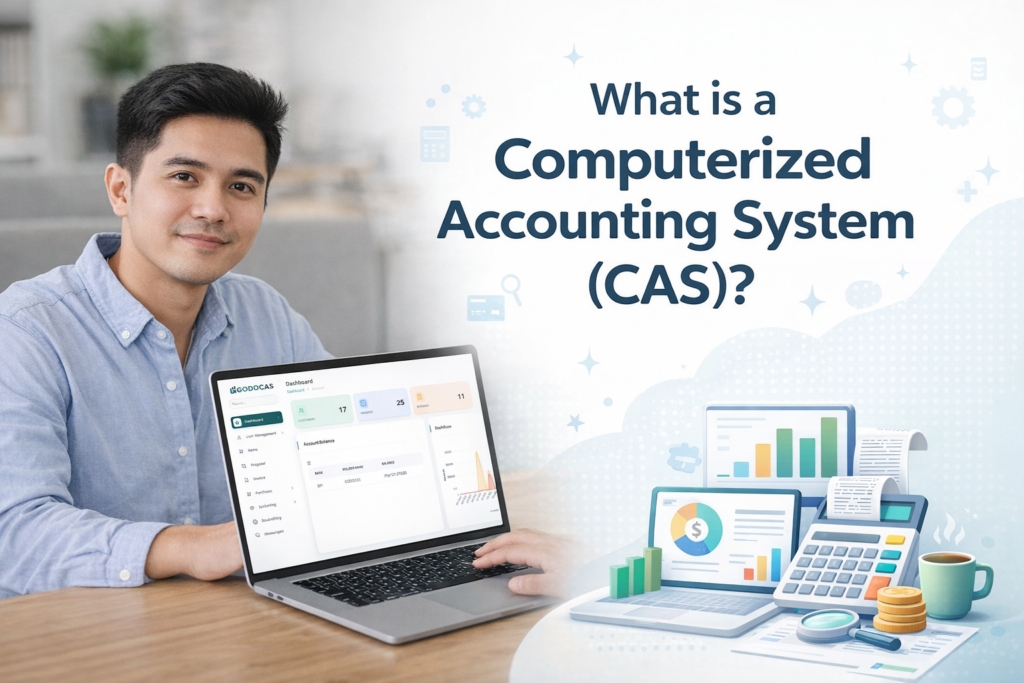
A Computerized Accounting System (CAS) is a system used by businesses to record financial transactions and generate structured accounting records such as Service Invoices, Books of Accounts, Financial Reports, and Audit Trail logs.
Instead of maintaining manual records or spreadsheets, CAS helps businesses keep financial data organized, traceable, and consistent in one system.
Businesses that issue Service Invoices and maintain accounting records may choose to implement CAS to support structured financial documentation and reporting processes.
What is CAS?
A Computerized Accounting System (CAS) is software that records and processes financial transactions digitally using a structured accounting workflow.
It helps businesses:
record income transactions
maintain Books of Accounts
generate financial reports
track transaction history
organize customer and invoice records
CAS provides a consistent method of recording financial activities from invoice creation to financial reporting.
Why Businesses Use CAS
Managing accounting records manually can become difficult as transactions increase.
Manual processes may lead to:
inconsistent records
difficulty tracking transactions
time-consuming report preparation
limited visibility of financial data
CAS helps provide a structured workflow where financial records are stored and processed in an organized format.
This helps maintain clarity of financial data and simplifies report generation when needed.
Key Components of a Computerized Accounting System
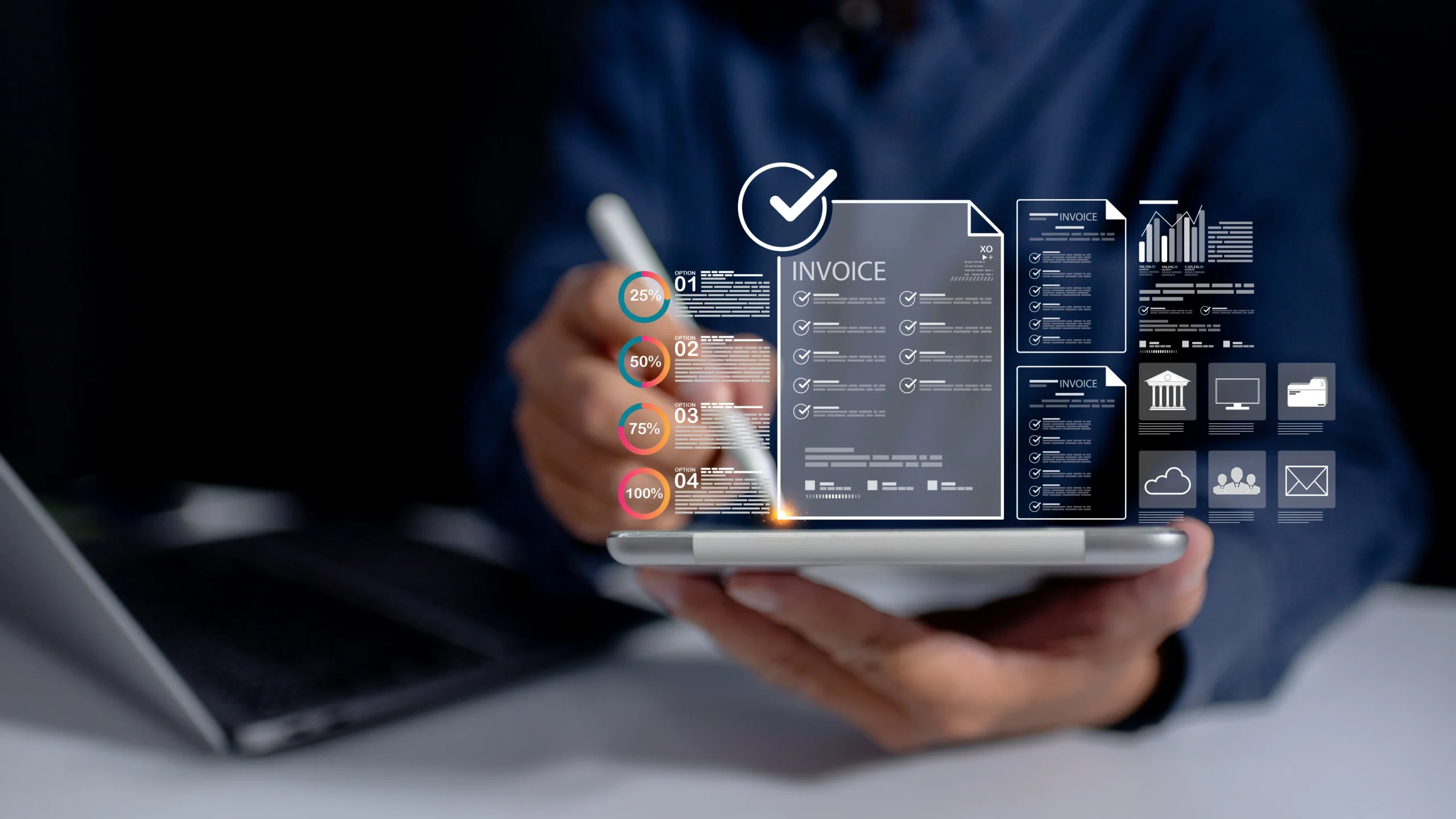
A structured CAS typically includes the following components:
Service Invoice Recording
Records income transactions using structured invoice format including customer details, service description, amount, and transaction date.
Books of Accounts
System-generated accounting records such as:
General Journal
General Ledger
These records maintain organized financial entries based on transactions.
Double Entry Accounting
Each transaction records corresponding debit and credit entries to maintain balanced accounting records.
Financial Reports
CAS can generate financial reports based on recorded transactions such as:
Profit and Loss
Balance Sheet
Trial Balance
These reports help summarize financial activity.
Audit Trail Logs
Tracks system activity including record creation, updates, and transaction history.
Audit logs help maintain traceable and transparent records.
CAS vs Manual Accounting
Many businesses start by recording transactions manually using notebooks or spreadsheets.
While manual methods can work initially, they may become harder to manage as transactions increase.
CAS helps organize financial data in one system and provides structured recording of accounting entries.
Structured accounting workflows help maintain consistency of records and simplify report generation.
Who Can Use CAS?
CAS can be used by businesses that need to maintain organized accounting records and structured financial reporting.
Common users include:
consultants
agencies
freelancers
IT service providers
marketing services
design services
contractors
repair services
professional service providers
Businesses issuing Service Invoices may benefit from maintaining structured accounting records.
Benefits of Using a Computerized Accounting System
Using CAS helps maintain organized financial data through a consistent workflow.
Key benefits include:
structured financial record keeping
organized Books of Accounts
consistent invoice recording
clear financial reports
traceable transaction logs
centralized financial data
A structured system helps improve visibility of financial transactions and supports organized record keeping.
How CAS Supports Structured Financial Records
CAS provides a consistent process for recording financial activity:
Create Service Invoice
Record Payment
System records accounting entries
Generate Financial Reports
This workflow helps maintain organized financial documentation and structured reporting.

Conclusion
A Computerized Accounting System (CAS) helps businesses maintain structured financial records using a consistent accounting workflow.
It provides tools for recording Service Invoices, maintaining Books of Accounts, generating Financial Reports, and tracking transaction history in an organized system.
Businesses that want clear and traceable financial records may consider implementing CAS as part of their accounting workflow.